


Planning Your Fall Garden

Updated: Nov 12, 2025
A lot of gardeners who can't take the heat elect to do their vegetable gardening in the Spring and Fall, and skip Summer. While the bulk of the outside work will take place when the temperatures are beginning to cool down, a bit of planning and preparation during the heat of summer can help you have a more successful fall garden.

What to plant:
Think about what you want to harvest in the fall. The list will likely include many things that you planted in your early spring garden.
Leaf and root vegetables are good options:
Kale, collards, lettuce, kohlrabi, spinach, mustard greens, Swiss chard and many Asian greens do well in cool weather.
Radishes, Turnips, carrots, parsnips, beets and rutabagas can all be direct-sown in late summer for fall harvest.
Other good options:
Broccoli, cauliflower, Brussels sprouts, and cabbage are good fall crops, as well as legumes like snow and sugar snap peas and short season bush beans.
Long-range options:
Fall is the time to plant garlic that will over-winter and be ready to harvest in early summer. It is also the best time to plant fruit trees, believe it or not. They'll have time to get their roots established before going dormant, and they'll skip the stress of summer heat.
Where to plant:
Determine how much garden space you have available for your fall garden. If you left some raised beds or garden rows fallow for the summer, or have already harvested crops from them, they can be re-planted for fall harvests. If you use cold frames to get a head start in the spring, you can also use them to extend the fall harvest. Ditto for containers that you can move indoors as needed to avoid an early frost. When planting, consider how you can best arrange things so that if you need to use floating row covers to protect from frost, it will be easy to install and remove them as needed.

When to Plant:
You'll need to find your average first frost date in order to calculate the best time to direct sow and start seeds. For many fall crops, you can do succession planting to spread out your harvest.
10-12 weeks before first frost:
Direct sow: carrots, beets, turnips, rutabaga and parsnips as well as kale, collards and kohlrabi.
Start indoors for later transplant: broccoli, brussels sprouts, cabbage and cauliflower
8-10 weeks before first frost:
Direct sow: lettuce, spinach, spinach, and radishes
Transplant: broccoli, cabbage, kale, cauliflower

Protect what you plant:
Have some floating row covers on hand, or old sheer curtains that can be put over tender plants if there is danger of frost overnight. Sometimes, the first frost will come much earlier than the average, but there's no need to lose your fall garden over it.

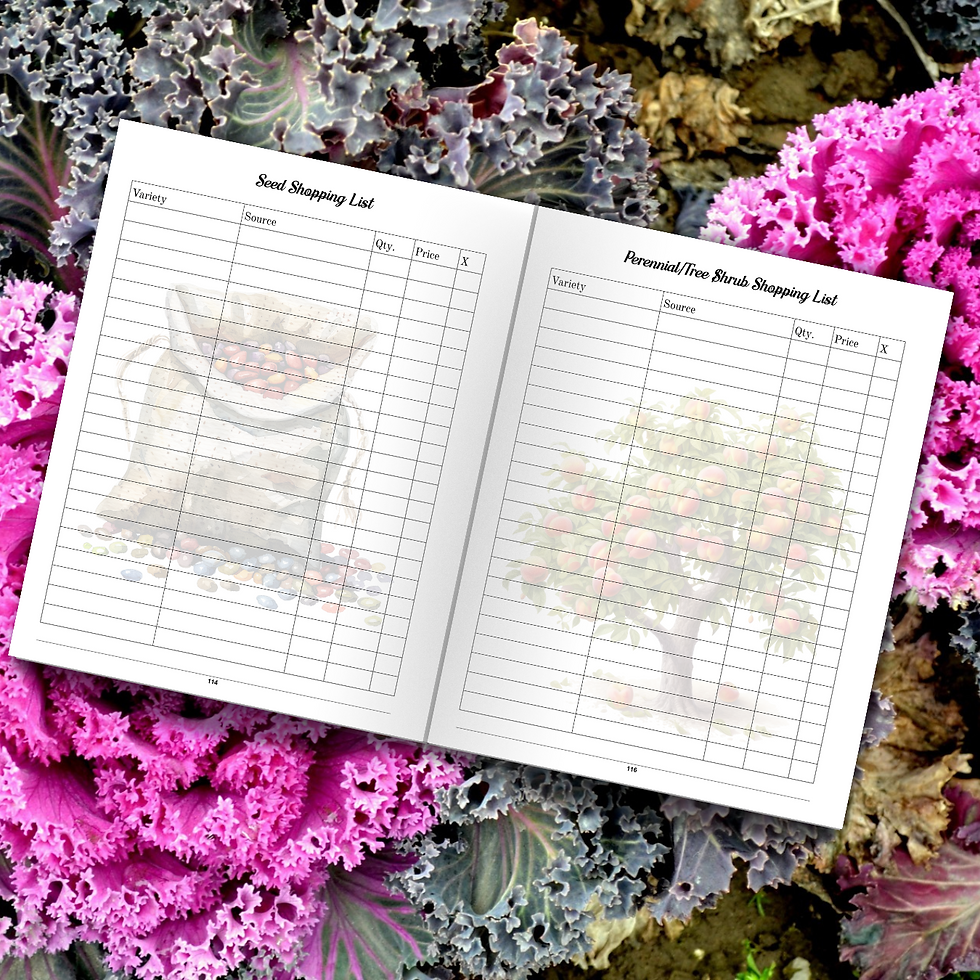
Planting a fall garden begins with a plan. Check out our garden planners and garden journals here:


Comments